Pagan Stories
Pagan vs Church – Shared Roots of Winter Traditions
Dec
Pagan vs Church – Shared Roots of Winter Traditions
Winter traditions hold a fascinating blend of spiritual history that reveals the shared roots of winter traditions. Long before modern celebrations existed, ancient pagan cultures honored the season through rituals of light, protection, renewal, and gratitude. Later, Christian practices preserved many of these same themes, reshaping them into new forms while keeping their symbolic essence. Moreover, this overlap shows how the human heart consistently seeks warmth, hope, and divine presence during the darkest time of the year.
Shared Roots of Winter Traditions
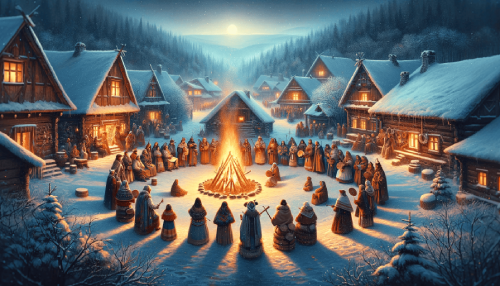
Across Europe and the Mediterranean, solstice ceremonies welcomed the rebirth of the sun, celebrated the triumph of light, and invoked blessings for the coming year. Therefore, many customs we recognize today—candles, evergreen branches, gift-giving, communal meals—are not exclusively pagan or Christian, but a merging of both lineages. Additionally, both traditions embraced the idea of spiritual renewal during winter, emphasizing introspection, generosity, and the return of hope.
From Pagan Goddess to Holy Mother: A Symbolic Bridge
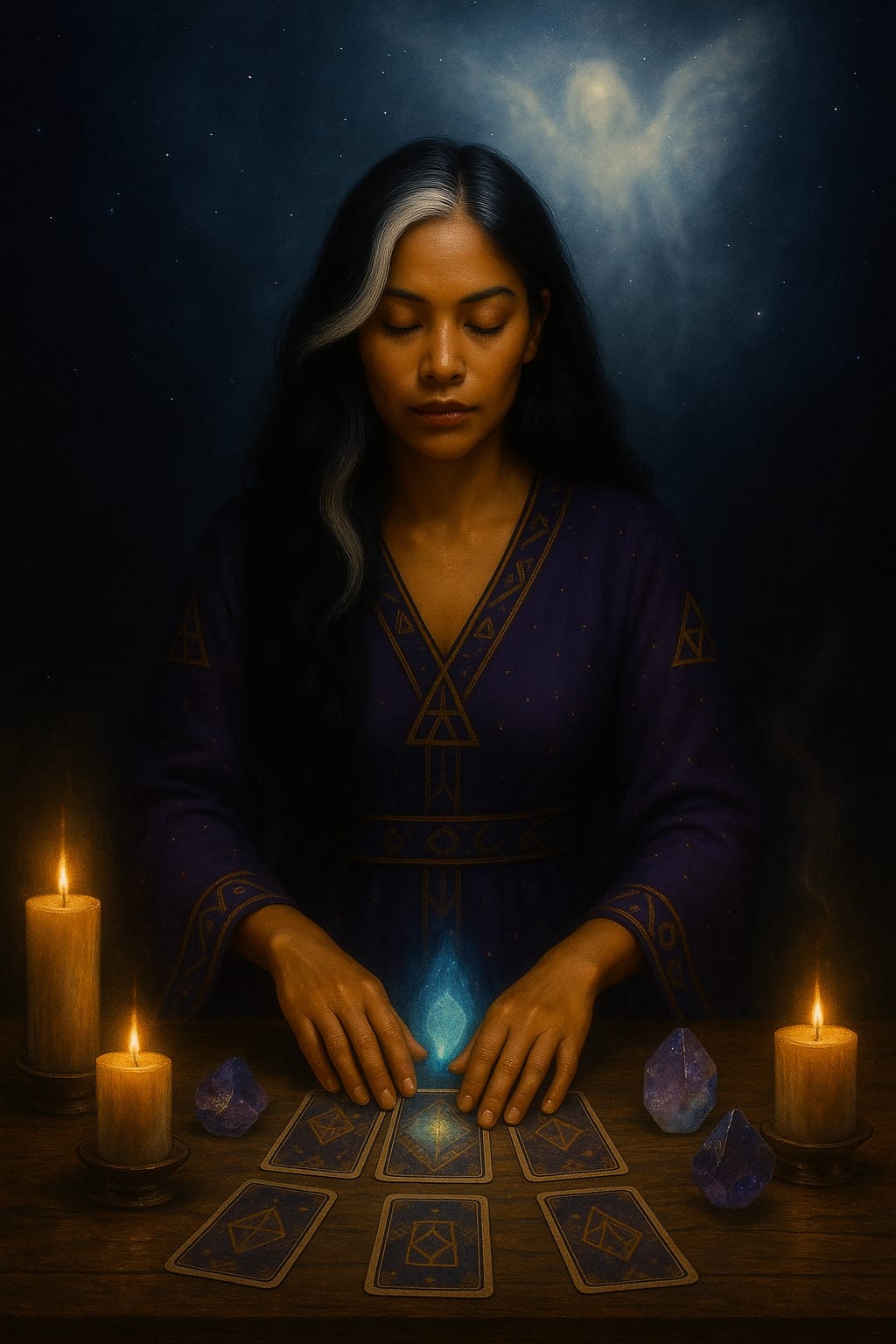
One of the most striking connections appears in the feminine archetype of winter. Pagan cultures honored maternal deities associated with protection, fertility, and divine mercy. Later, Christianity embodied these qualities in figures such as the Virgin Mary and, in Latin American devotion, Madre Mercedes, symbol of compassion, liberation, and spiritual refuge. Furthermore, the continuity of this archetype demonstrates how cultures carry forward the sacred feminine, even as names and rituals evolve. Ultimately, the mother figure remains a beacon of comfort and spiritual guidance during the winter season.
The Spirit of Christmas: A Pagan Echo in a Christian Season
The modern Spirit of Christmas also reflects ancient rituals that celebrated generosity, unity, and the return of light. Pagan Yule festivals emphasized gathering around fire, offering blessings, and invoking goodwill for the community. Christianity later embraced the same values through its message of peace, charity, and divine light. Moreover, many families today still honor this blended heritage—through candles, feasts, music, and acts of kindness—without realizing they are participating in a lineage that spans thousands of years.
Honoring the Shared Lineage Today
Recognizing the shared roots of winter traditions does not diminish either path; instead, it enriches the spiritual meaning of the season. Whether one feels connected to ancient rituals, Christian symbolism, or a blend of both, the message remains the same: winter invites reflection, compassion, and the rebirth of inner light. Additionally, embracing these intertwined histories allows us to celebrate December with greater awareness, gratitude, and unity.
For additional spiritual insight, visit Forever Conscious.
For more information, visit Oma’s Design or contact us.