

Pagan Stories
Sacred Sites Facing East – Aligning With the Rising Light
Dec
Sacred Sites Facing East – Aligning With the Rising Light
The ancient world is filled with sacred sites facing east, all intentionally aligned with the direction of the rising sun. Across pagan cultures, the East represented beginnings, rebirth, illumination, and divine guidance. Moreover, many tribes and spiritual traditions believed that dawn carried blessings capable of cleansing the spirit and awakening inner clarity. These alignments were not accidental—they reflected a deep understanding of celestial rhythms and seasonal cycles.
Sacred Sites Facing East and Their Meaning
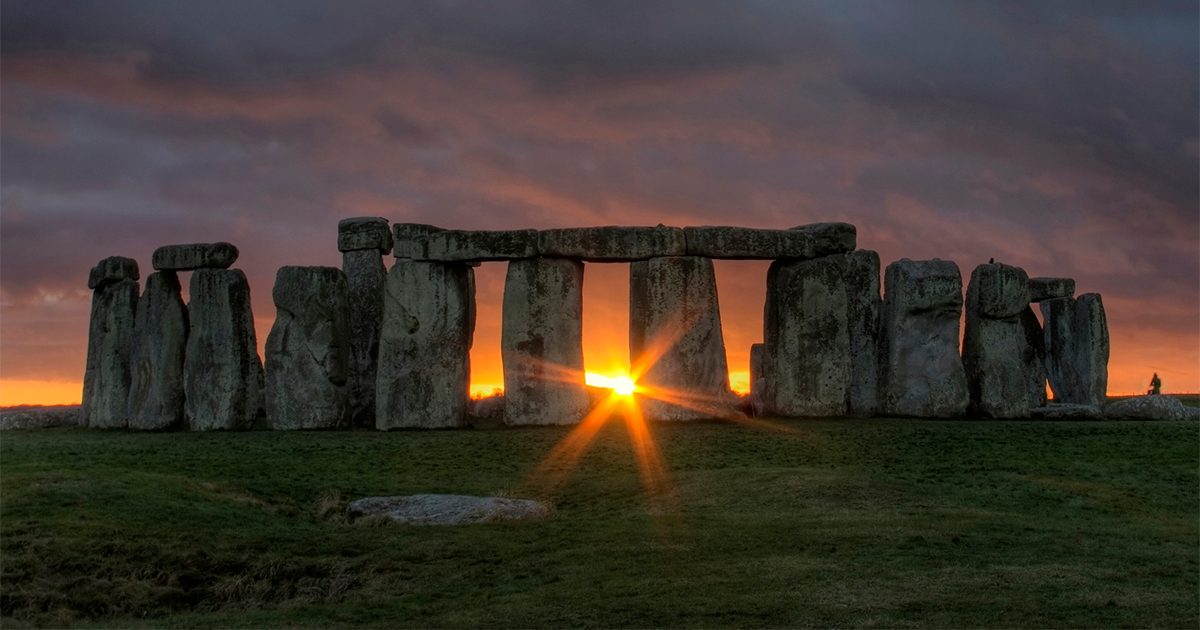
Many prehistoric and classical structures—including stone circles, burial mounds, temples, and ritual pathways—align with the sunrise of solstices and equinoxes. Therefore, sacred sites facing east were deliberately built to honor the moment when darkness gives way to light. Additionally, the East symbolized spiritual awakening and the arrival of divine messages, making it the preferred orientation for ceremonies of renewal, blessings, and ancestral connection.
Why Ancient Builders Oriented Their Sacred Spaces
Ancient cultures observed that the sun’s path revealed sacred knowledge about time, agriculture, and divine order. Furthermore, east-facing structures allowed communities to track seasonal transitions and celebrate the return of the light during winter. This alignment was both practical and mystical: it unified architecture with astronomy, ritual with nature, and community life with the cosmic cycle.
A Tradition That Bridged Into Christianity
Interestingly, the custom of orienting spiritual spaces toward the East continued into Christian architecture. Many early churches were designed so worshippers faced the sunrise during prayer, symbolizing resurrection, rebirth, and divine illumination. Ultimately, this shared practice shows that honoring the rising sun is a lineage that connects pagan wisdom with later religious traditions.
For additional spiritual insight, visit Forever Conscious.
For more information, visit Oma’s Design or contact us.